A day for Lake Vansjø: bringing science and community together
On 6 June 2026, FutureLakes hosted a full-day Vansjø demo-site lake day at Nesparken in Moss, where researchers, local partners and citizens came together to explore and protect Lake Vansjø as part of the FutureLakes project.

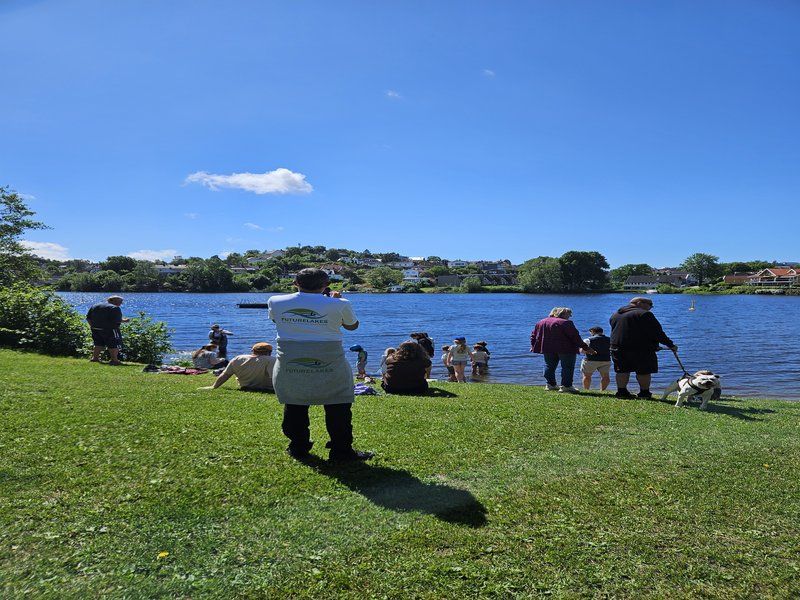
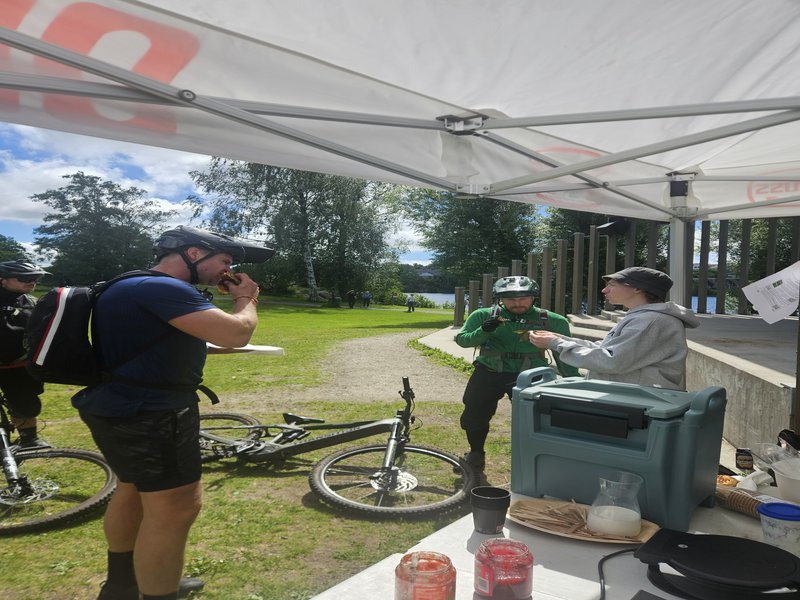
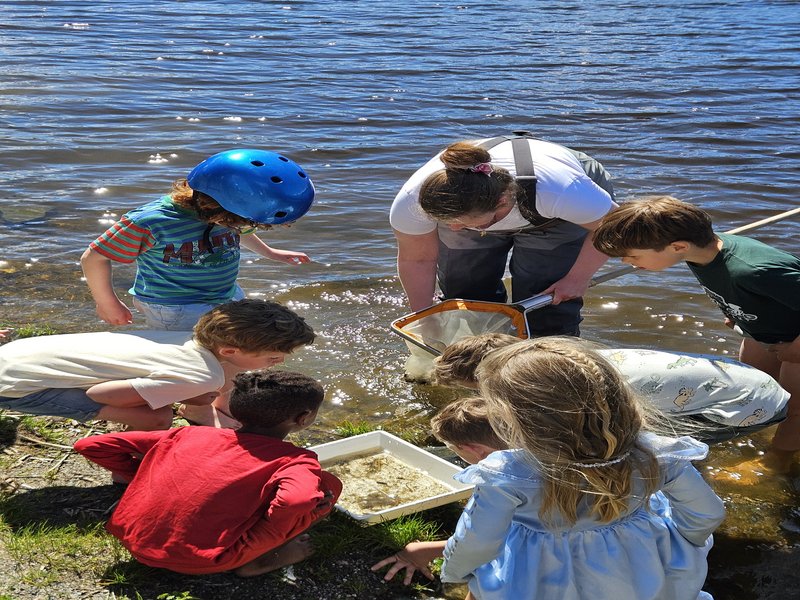
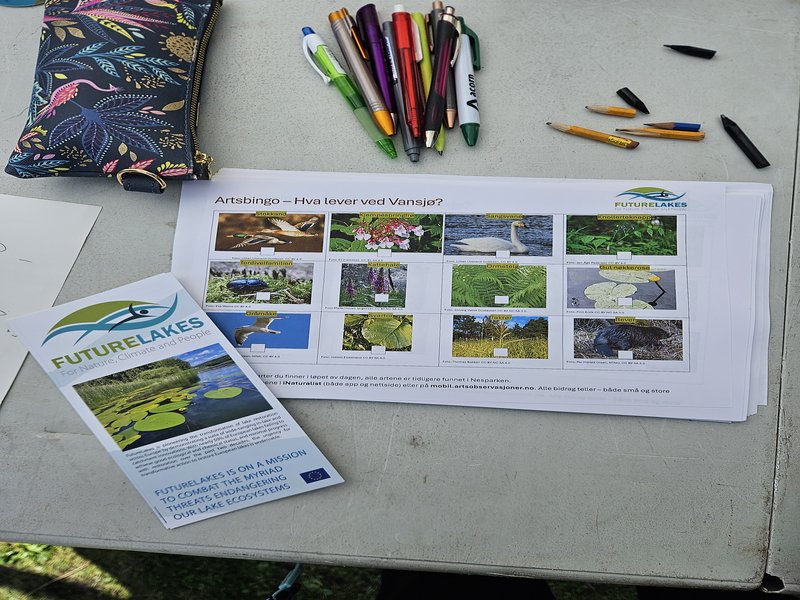
From early morning birdwatching to a late-night bat walk, participants experienced the lake’s biodiversity across the entire ecosystem. Throughout the day, visitors joined NIVA experts and partner organisations to analyse plankton under microscopes, identify plants and insects, and learn how species diversity reflects water quality and ecosystem health.
Lakes are among the ecosystems most sensitive to pollution, acting as collection points for impacts across entire catchments. Much of this pollution is retained in lake systems, where it can be taken up by plants and fish, making it crucial to understand and monitor their ecological status.
Events like the Vansjø lake day play an important role in raising awareness of the value of lakes, both among the public and local authorities, and highlight why protecting them matters.
Talks highlighted the importance of Vansjø and the collaborative efforts behind its management, while hands-on sessions introduced citizen science tools for nature monitoring.
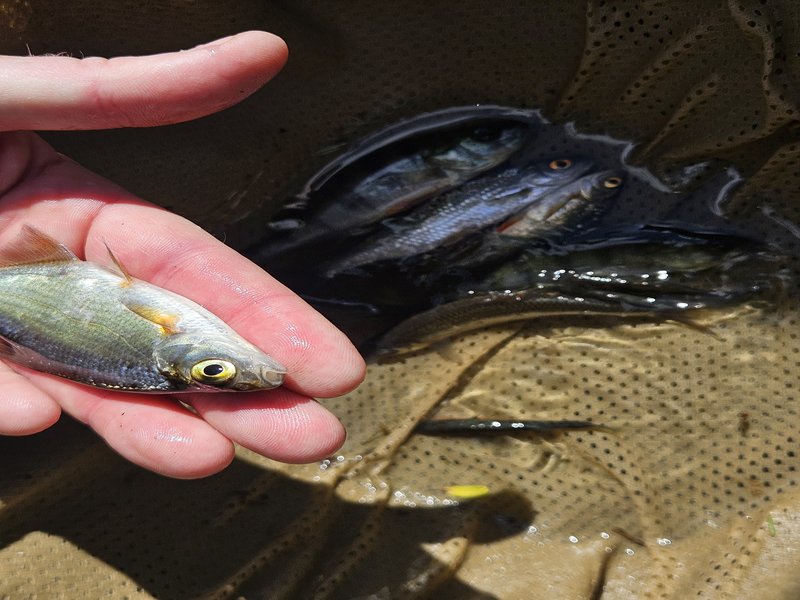
Field observations revealed rich biodiversity. Microscopy and sampling uncovered a wide range of aquatic organisms, while electrofishing surveys documented species such as perch, roach, bream and stickleback, along with large numbers of eel. Notably, salmon fry were confirmed in the Mosseelva river, demonstrating that it continues to function as a salmon-bearing system.
The event was organised in collaboration with Moss Municipality, the Morsa Water Management Association, BirdLife Norway, the Norwegian Entomological Society, the Norwegian Association of Hunters and Anglers (Østfold), the Norwegian Zoological Society, and the Østfold Botanical Society.
As a FutureLakes demo site, Vansjø provides a platform for testing innovative approaches to lake restoration. The lake day clearly showed that involving people directly in science and monitoring helps build knowledge, stewardship and long-term commitment to protecting freshwater ecosystems.
A big thank you to everyone who contributed their time, curiosity and expertise to make the day a success.